Contemporary events, such as corporate meetings, trade events, and conventions, require network connectivity beyond the need to access emails. Vendors require network connectivity for live demonstrations, point-of-sale transactions, and cloud-based applications, while organizers require the same for registration systems, live dashboards, and analytics.
However, the challenges of providing an internet connection to temporary locations are quite unique. Most convention centers and hotels were not designed to handle the combined internet needs of thousands of devices, including smartphones, notebooks, and IoT devices.
Why WiFi in Venues Typically Fails Large Events
Often, organizers find that an internet connection provided at an event venue will suffice. The reality is:
Limited Bandwidth: The event spaces are offered internet access that is intended for use by the typical office, not for simultaneous access by thousands of people.
High latency and congestion: Having too many people on social sites and cloud-based applications can cause congestion at the access points.
Unreliable performance for exhibiters: Convention exhibit booths featuring live demonstrations or credit card services may be subject to downtime.
Security Risks: Open or shared networks are vulnerable to breaches of confidential business information.
Statistics from the Center of Exhibition Industry Research denote that more than 65% of the exhibition participants experience internet problems, which can sometimes cause loss of sales or postponed product demos.
Mobile Internet: A Strategic Solution
TradeShowInternet’s mobile internet at events solves this problem through the use of connectivity kits. The connectivity kits rely on a bonded cellular network offering a dedicated internet bandwidth to exhibitors and event organizers.
Important benefits include:
Dedicated Connectivity: Each booth or working area will have its own network connection, thereby preventing network congestion due to the WiFi in the venue.
Rapid Deployment: Kits are ready to deploy within hours because they are already preconfigured.
Redundant Networks: A variety of carriers can be bonded, ensuring constant operation even when one is experiencing downtime.
Secure Transactions: The site has secure transactions with encrypted connections and VLANs.
Based on IEEE research on temporary event networks, multi-carrier systems support a sustainable data rate of 10-20 Mbps per device for business-critical applications.
Network Planning at Events & Analytical Reporting
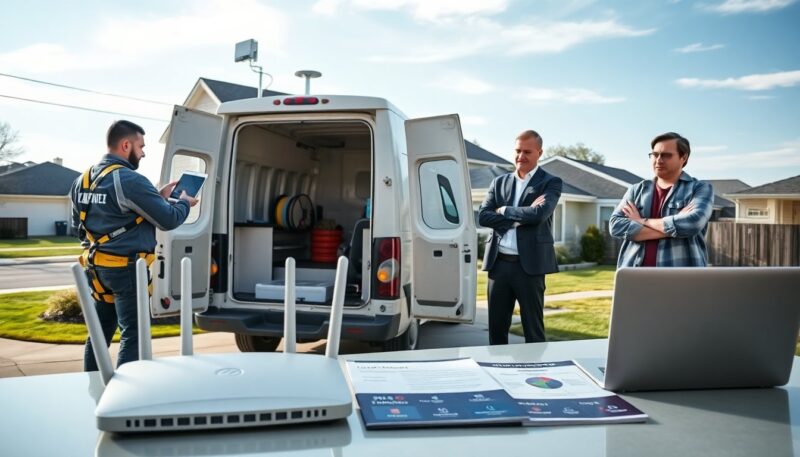
Another critical aspect of mobile internet deployment is predictive network planning. Experienced event network engineers conduct site surveys before any major event, analyzing potential sources of interference, signal propagation challenges, and areas of high client density. By mapping expected device loads and integrating carrier coverage data, organizers can preemptively position portable internet kits to maximize both coverage and performance. This proactive approach reduces downtime during peak periods, avoids bottlenecks at high-traffic booths, and ensures that critical operational systems—such as registration portals, payment processing, and demo stations—remain functional throughout the event.
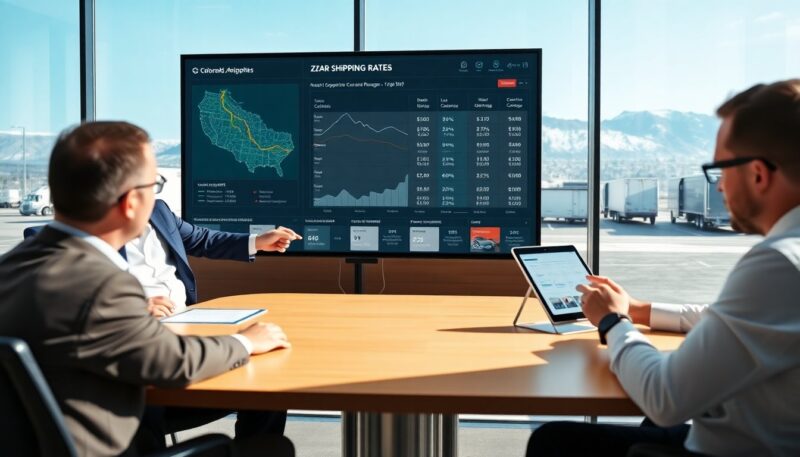
Additionally, mobile internet solutions increasingly incorporate analytics and monitoring tools that provide real-time insight into network performance. Organizers can track bandwidth consumption, client connection stability, and device distribution across the venue, allowing IT teams to adjust configurations on the fly. For example, if a popular demo station generates unexpectedly high traffic, network administrators can dynamically allocate additional bandwidth or redirect devices to alternative access points. This level of operational intelligence transforms event connectivity from a reactive service into a managed, data-driven infrastructure, supporting both exhibitor needs and attendee expectations.
Applications for Various Kinds of Events
Corporate Conferences: Live video streaming for remote participants as well as cloud-based dashboards require high-quality uplinks. The mobile internet maintains uninterrupted connectivity for the speakers as well as employees.
Trade Shows and Exhibitions: Vendors can demonstrate apps, perform digital payments, and manage inventory in real time. This is essential for heavily trafficked booths when they showcase software or IoT-related products.
Pop-Up Events and Marketing Activation: When a brand conducts a pop-up marketing activation within a public setting, they get the advantage of self-contained connectivity.
Meeting and Hospitality Rooms: Meeting and hospitality rooms tend to lack adequate wired internet access. Mobile internet solutions enable a significant number of users to connect to the internet at high speeds, thus eliminating the need to upgrade the infrastructure of the venue.
Optimizing Mobile Event Networks
Deploying mobile internet requires the following;
Device Load Assessment: This determines the number of active open connections to avoid overloading the access points.
Network Segmentation: Segregate networks for exhibitors, personnel, and attendees.
Real-Time Monitoring: Apply dashboards to monitor the usage of the bandwidth and configure settings accordingly.
Coverage Planning: It takes into account layout, obstacles, and interference sources.
According to Cisco’s Event Connectivity Report of 2024, data shows that segmentation and multi-carrier redundancy enable increased uptime of up to 35-50% relative to networks provided by the venues themselves.
Operational Benefits
The portable internet solutions offered by TradeShowInternet also include operational flexibility on topics such as:
Mobility: The kits are relocatable during multi-day events or between exhibition stands as required.
Cost Predictability: The rental packages do not have any surprise charges for the venue or bandwidth.
Scalability: More units could be added for additional booths or high density areas.
Ease of Setup and Tear Down: Pre-configured units can reduce the demand for expert IT personnel.
Such advantages make mobile internet an attractive technology for use at any function where stable internet access is imperative.
Security and Compliance
Events may involve handling confidential information, such as payment transactions or registration. Mobile internet kits facilitate:
Encryption: Protects all data that is transmitted.
Private VLANs: Segregates exhibitor and operation traffic.
Regulatory Compliance
Facilitates PCI DSS & Other Standards
This security benefit is especially useful in trade shows where more than one vendor is present, and the number of transactions is high.
Emerging Trends
The event organizers are incorporating technology that increases connectivity needs:
IoT Devices: The crowd management and environment sensors create a further volume of traffic.
Interactive Booths: AR/VR experiences need networks that support low-latency, high-bandwidth communications
Hybrid Event Models
Attendees who are not present in the physical event may have access to live streaming of the event, Real-Time Analytics: The events are monitored for engagement and system functionality, and connectivity must be maintained. Mobile internet solutions such as TradeShowInternet’s mobile internet service for events form the backbone upon which such highly demanded applications function.