Gamingcorner zap-internet gives local hosts a ready idea to launch group play spaces. The concept mixes fast internet, shared hardware, and simple event management. It suits café owners, community centers, and hobby groups. It fits hosts who want to earn from hourly play, tournaments, or memberships. This guide explains setup, hardware, network needs, game choices, events, and upkeep in clear steps.
Key Takeaways
- Gaming Corner Zap-Internet offers a turnkey solution for local hosts to create profitable group gaming spaces by combining fast internet, shared hardware, and easy event management.
- Setting up a Gaming Corner requires strategic space planning near entrances, starting with a small cluster of gaming stations, and managing hourly rates or memberships to drive revenue.
- Consistent, mid-to-high tier hardware including PCs, consoles, and standardized peripherals ensures smooth gameplay and simple maintenance.
- Offer a rotating mix of competitive and casual games, showcasing social and tournament play to keep players engaged and encourage repeat visits.
- Regular events like tournaments and community nights build loyal habits; use software tools and social media to run and promote these effectively.
- Maintain daily hardware and network checks, update software routinely, and secure player data to keep the Gaming Corner online, safe, and customer-friendly.
What Is Gaming Corner Zap-Internet And Who It’s For
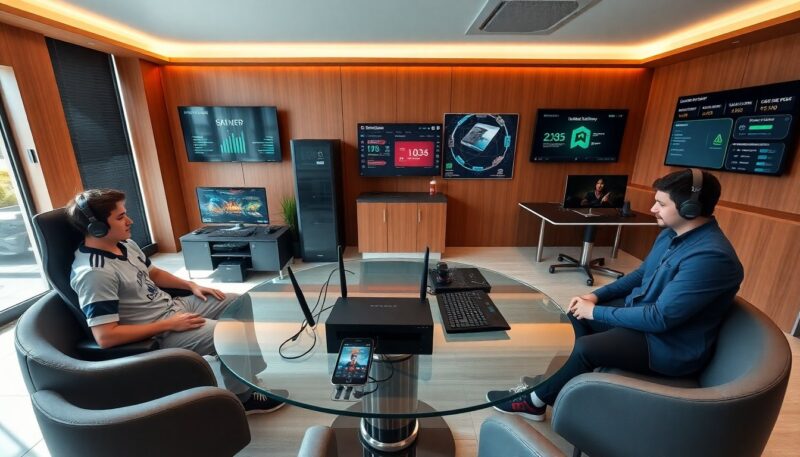
Gaming Corner Zap-Internet refers to a small public gaming hub that offers pay-to-play sessions and community events. The host installs local PCs, consoles, and a managed internet connection. The concept targets café owners, small business operators, youth centers, and gaming groups. It suits hosts who want local foot traffic and repeated visits. It also suits organizers who want to run regular tournaments. Hosts benefit from add-on sales like drinks, snacks, or coaching sessions.
How To Set Up Your Gaming Corner: Space, Layout, And Budget
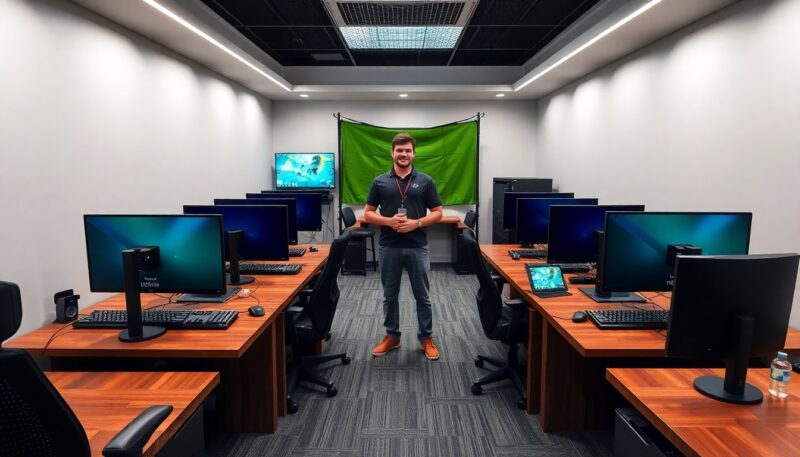
Choose a visible space near entrances and seating. Place desks so players face each other or a wall to control cable runs. Budget for wiring, furniture, and ventilation. Start with a small cluster of four stations and expand later. Track hourly rates and membership plans to forecast revenue. Keep a simple invoice and booking sheet. Plan for ambient noise and light control. Gaming Corner Zap-Internet thrives when the layout supports social play and quick seat turnover.
Hardware And Peripherals: PCs, Consoles, Controllers, And Displays
Select mid-to-high tier gaming PCs if the host plans PC esports. Choose at least one current console for local party games. Buy spare controllers and wired headsets. Use 24–27 inch 1080p or 1440p monitors for clarity. Standardize on one controller brand to simplify replacements. Keep two spare keyboards and mice per station. Label each device and store accessories in a locked cabinet. Gaming Corner Zap-Internet works best when hardware remains consistent and easy to repair.
Best Games And Play Modes To Showcase On Zap-Internet
Pick games that drive social play and repeat visits. Offer a mix of competitive titles like FPS and MOBA, plus party and co-op games for casual crowds. Rotate featured titles weekly to keep interest. Host show matches for local streamers to draw crowds. Include local leaderboard and daily challenges to boost time spent. Keep a few single-player demo stations for newcomers. Gaming Corner Zap-Internet succeeds when players find both competition and casual options in one place.
Hosting Events, Tournaments, And Community Nights
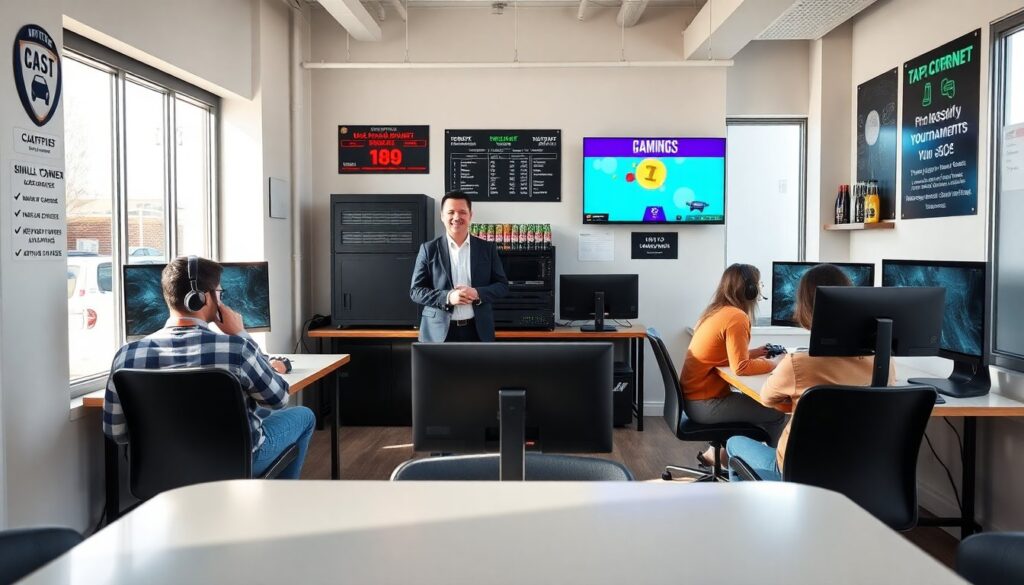
Schedule regular weekly events to build habit. Run single-elimination tournaments for small entry fees and prize pools. Offer free community nights with drink discounts to attract new players. Use bracket software and a simple waiver form for entrants. Post results and photos to social media the same day. Partner with local brands for sponsored prizes or snacks. Track attendance and adjust formats based on turnout. Gaming Corner Zap-Internet grows when events feel fair, on-time, and well-run.
Troubleshooting, Maintenance, And Security Best Practices
Create a daily checklist for hardware and network checks. Update drivers and game patches during off hours. Keep spare parts like power supplies and network cables on hand. Run antivirus scans weekly and image stations monthly to remove bloat. Use account isolation for player profiles to protect data. Back up configuration files and receipts to a cloud service. Train staff to handle common issues like controller pairing and Wi-Fi drops. Gaming Corner Zap-Internet keeps customers when it stays online and secure.