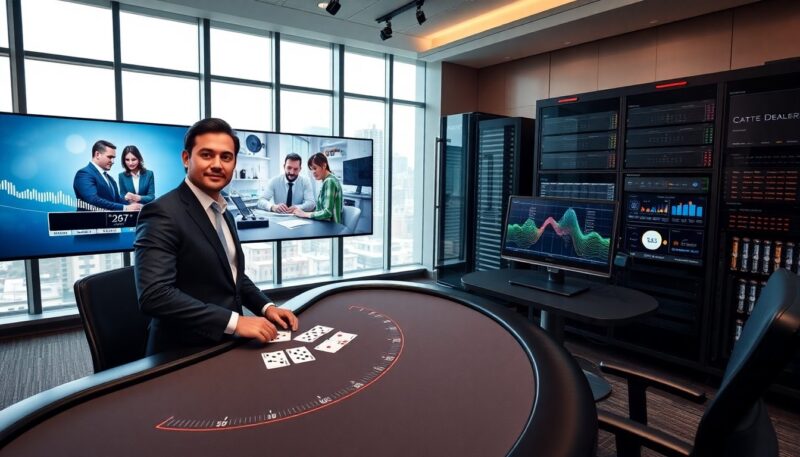
Gaming articles danilo bianchi zap-internet is a focused concept for social play and local esports. The idea gives players a place to meet, play, and stream. Owners design the space to support long sessions, fast networks, and clear sightlines. This article gives direct steps to build a zap-internet gaming corner that players will choose in 2026.
Key Takeaways
- A successful zap-internet gaming corner combines high-speed networks, ergonomic seating, and community events to attract and retain players.
- Owners should design the space with clear sightlines, adjustable monitors, and comfortable chairs to support long gaming sessions.
- Implementing a flexible pricing model with walk-ins, memberships, and event bookings helps balance revenue and accessibility.
- Investing in enterprise-grade symmetric fiber internet with QoS prioritization ensures low latency and stable gaming experiences.
- Security measures like VLAN segmentation, endpoint protection, and PCI-compliant systems safeguard player data and maintain trust.
- Providing streaming corners with proper equipment encourages content creation and enhances community engagement at the zap-internet gaming corner.
What Defines A Successful Zap Internet Gaming Corner
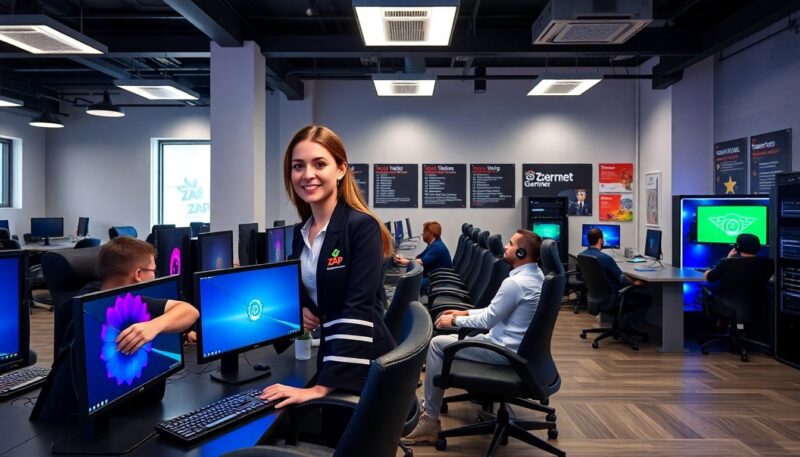
A successful zap-internet gaming corner delivers speed, comfort, and community. Owners supply high-refresh displays, ergonomic seating, and low-latency network paths. They offer varied hardware to match player preferences and budget. They keep pricing clear and session rules simple. They host local events to draw regulars and to attract new players.
They design sightlines to reduce glare and to improve player focus. They place monitors on adjustable mounts. They position lighting to cut reflections and to reduce eye strain. They select chairs that support long sessions. They replace worn gear fast to keep experience consistent.
They build a pricing model that supports walk-ins, memberships, and event bookings. They balance hourly rates with package deals. They track peak hours and offer discounts outside those windows. They accept online reservations to reduce wait times. They post clear cancellation and refund rules.
They create a small food and drink service to extend sessions. They keep the menu simple. They avoid greasy foods that dirty keyboards. They offer bottled water and quick snacks. They keep a cleaning schedule to sanitize controllers and keyboards.
They invest in staff training for tech support and customer service. Staff reset stations quickly and troubleshoot builds. Staff enforce rules fairly and reduce conflict. Staff run tutorials and casual tournaments to build a sense of community. They collect feedback and adjust offerings based on player requests.
The zap-internet gaming corner brand focuses on trust and reliability. They show system specs online. They show real-time seat availability. They keep social channels active to announce events and maintenance. They measure satisfaction and repeat visits to guide upgrades.
Setting Up The Space: Hardware, Network, And Comfort
Owners plan the layout before they buy gear. They draw a floor plan with power and network drops. They allow space for walking and for team play. They separate noisy zones from quieter areas. They plan cable runs to avoid trip hazards.
Owners choose PCs and consoles based on local demand. They pick a mix of high-end rigs and budget stations. They install GPUs that handle current titles at 144+ FPS when possible. They pair those GPUs with CPUs that avoid bottlenecks. They set RAM and storage to match game load times. They maintain one demo rig for new releases and for testing updates.
Owners pick monitors for competitive play and for casual play. They stock high-refresh 144Hz or 240Hz panels for shooters. They put larger curved screens in lounges for co-op and racing. They use VESA mounts to free table space. They provide wired mice and keyboards and a few premium wireless options.
Owners secure power with surge protection and UPS backups. They label circuits and test load capacity. They provide spare power supplies and spare peripherals. They schedule preventative maintenance to replace fans and thermal paste on a regular cycle.
Owners design seating for comfort and hygiene. They pick chairs with lumbar support and replace covers when needed. They provide wrist rests and footrests on request. They place mats under chairs to protect floors. They maintain room temperature between 68 and 72°F to keep hardware stable and players comfortable.
Owners set rules for noise, food, and personal items. They post rules near entrances and at each station. They train staff to enforce rules calmly. They collect IDs for memberships and keep a contact list for events. They manage room occupancy to meet local safety codes.
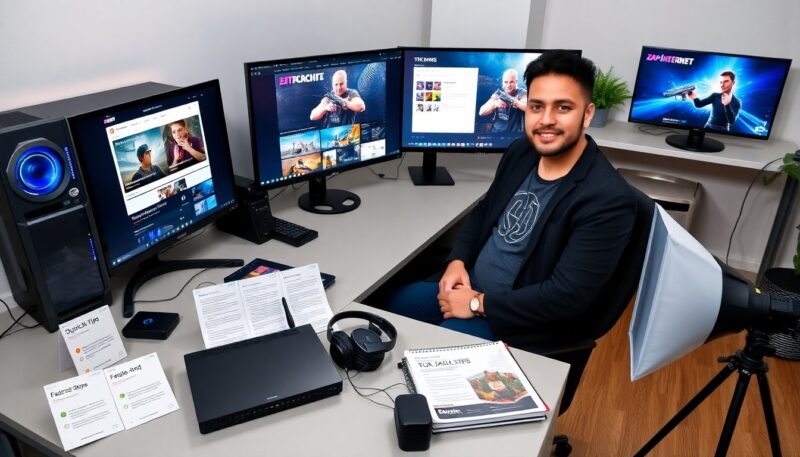
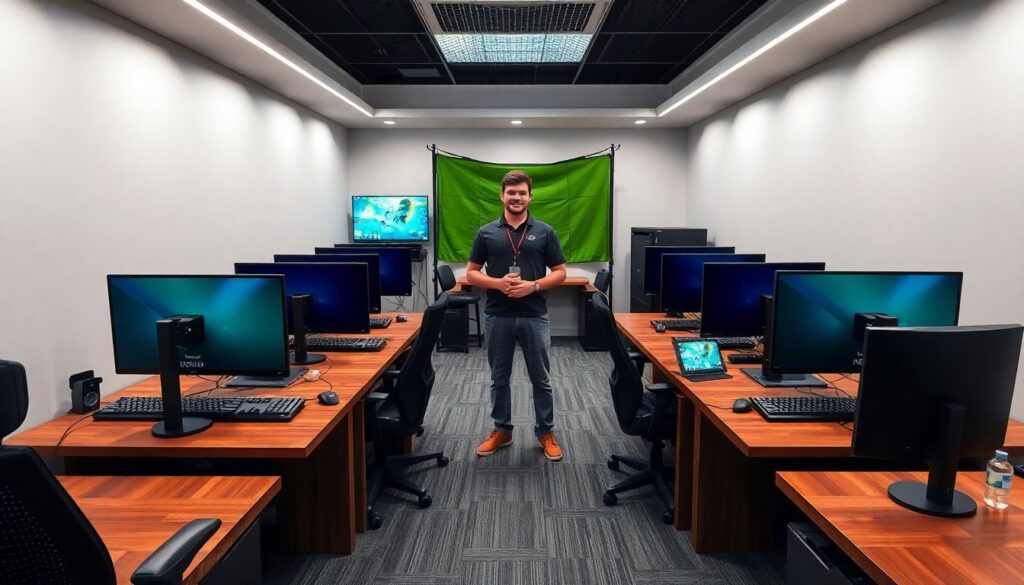
Owners plan for streaming and content creation. They reserve a small corner with a green screen, a capture card, and good lighting. They offer that space by the hour. They provide basic streaming software profiles on demo rigs. They list available peripherals and camera specs to keep expectations clear.
Optimizing Internet, Latency, And Security For Smooth Play
Owners invest in enterprise-grade internet connections for their zap-internet gaming corner. They buy symmetric fiber where possible. They pick bandwidth that supports peak concurrent players and streaming. They aim for low jitter and stable packet delivery.
They use a layered network design. They separate guest Wi-Fi from the gaming LAN. They put public devices on one VLAN and game stations on another. They configure firewalls to protect player data and server ports. They limit peer-to-peer traffic to reduce latency spikes.
They set up Quality of Service (QoS) rules. They prioritize game traffic and voice chat packets. They deprioritize bulk downloads and OS updates. They schedule large updates for off-peak hours. They monitor network health with simple dashboards and alerts.
They wire most gaming stations. They use Cat6a or Cat7 cabling to reduce interference. They place switches close to clusters of stations. They choose managed switches to segment traffic and to trace issues. They keep wireless for mobile devices and for casual browsing.
They secure each endpoint. They lock down system images and use roaming profiles. They restore clean images between sessions for public stations. They sandbox downloaded files and block unauthorized software installs. They use antivirus and endpoint detection tools on staff machines.
They protect payment and personal data with PCI-compliant systems. They use tokenization and limit local storage of card data. They require strong admin passwords and rotate them regularly. They apply OS and driver updates after testing on a staging rig.
They train staff to respond to outages and to cyber incidents. They keep an incident checklist and a vendor contact list. They backup configuration files and system images off-site. They run yearly drills to validate recovery steps.
They measure latency end-to-end. They test ping and packet loss to major game servers and to common streaming platforms. They compare results across ISPs before they sign contracts. They keep performance logs to spot slowdowns and to plan capacity upgrades.