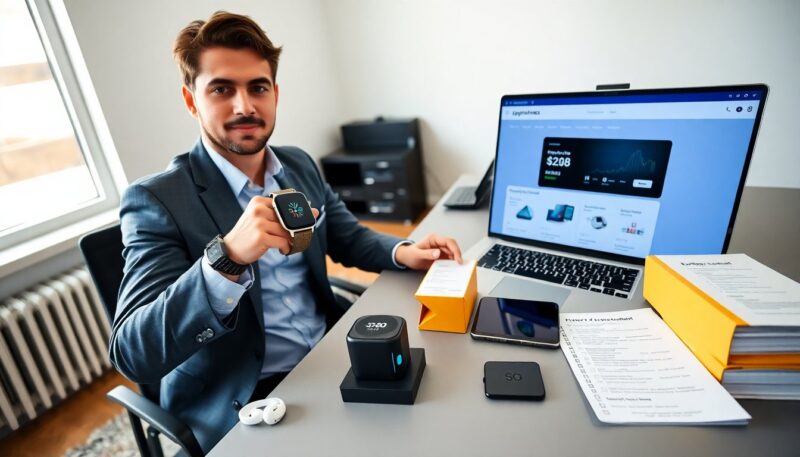
Zap-internet gadgets for life appear in more homes in 2026. The article shows practical gains. It lists eight devices and their uses. It explains setup, selection, and basic security. The writing stays direct. The reader learns which devices save time, cut costs, and improve daily comfort.
Key Takeaways
- Zap-internet gadgets for life save time, cut energy costs, and enhance home comfort by automating daily tasks and improving health monitoring.
- Choosing gadgets compatible with major voice assistants and smart home standards ensures ecosystem simplicity and avoids frequent replacements.
- Top devices to consider include smart thermostats, Wi‑Fi 6E routers, portable power banks, wearable health trackers, home hubs, smart plugs, portable hotspots, and smart cameras with edge AI.
- Secure your zap-internet gadgets by using strong passwords, enabling two-factor authentication, updating firmware promptly, and isolating device networks for better protection.
- Regularly audit connected devices, revoke unused app permissions, and opt out of unnecessary data collection to maintain privacy and system reliability.
- Pairing compatible devices, like a Wi‑Fi 6E mesh system with a local hub or a wearable with a smart plug, enhances functionality and daily convenience.
Why Zap-Internet Gadgets Matter Now — The Benefits For Daily Life
Zap-internet gadgets for life deliver clear benefits now. They save time. They reduce energy use. They provide better health tracking and stronger home control. Families use smart thermostats to cut heating costs. Workers use portable hotspots to keep tasks on schedule. Seniors use fall-detection wearables to get help faster. Small businesses use compact hubs to manage inventory with less staff. Each gadget links to the internet to send data, receive updates, and act on schedules. Consumers gain convenience, lower bills, and timely alerts. Buyers should check long-term support and battery life. They should prefer vendors that issue security patches. Devices that last three to five years give better value. People who plan for compatibility avoid repeat purchases. They pick gadgets that work with major voice assistants, common smart home standards, or open apps. This approach keeps the ecosystem simple and useful.
8 Must-Have Zap-Internet Gadgets For Everyday Use (What To Look For)
Zap-internet gadgets for life fall into clear product groups. This list highlights eight items and the traits to seek.
- Smart thermostat. It learns schedules and lowers energy waste. Look for local scheduling, remote control, and firmware updates. Check compatibility with home HVAC.
- Wi‑Fi 6E router or mesh kit. It increases speed for many devices. Look for strong encryption, easy management apps, and multi-band support.
- Portable power bank with pass-through charging. It powers phones and small gadgets. Look for high capacity, fast charging, and safety protections.
- Wearable health tracker. It records steps, heart rate, and sleep. Look for accurate sensors, multi-day battery life, and data export options.
- Home hub with local processing. It routes commands and stores automations. Look for offline failover and privacy controls.
- Smart plug with energy monitoring. It schedules appliances and tracks use. Look for load rating, app control, and timers.
- Portable hotspot with eSIM. It gives internet on the go. Look for carrier support, strong antenna, and battery life.
- Smart camera with edge AI. It detects people and ignores motion noise. Look for local recording, encrypted streams, and clear night vision.
They should test ecosystem fit before buying. Buyers should prefer products with clear update policies. Buyers should compare warranty terms and return policies. They should read user reviews that include long-term reliability notes. They should prioritize devices that let the owner export or delete personal data. That step reduces lock-in and helps privacy.
Top Categories And Example Devices — Wearables, Home Hubs, Portable Power, And Connectivity
Wearables show clear daily value in health and safety. A wrist tracker logs activity and alerts emergency contacts. A pendant device detects falls and calls help. Buyers should check sensor accuracy and battery life.
Home hubs act as the control center for many gadgets. A local-first hub runs automations even when the cloud fails. A cloud-reliant hub offers broader voice support. Buyers should weigh privacy against convenience.
Portable power solves interruptions. A high-capacity bank charges phones, tablets, and small laptops. A solar-capable bank adds outdoor resilience. Buyers should check charging cycles and output ports.
Connectivity devices keep people online. A modern router or mesh system reduces dead zones. A portable hotspot provides backup internet for work travel. Buyers should check carrier support and security features.
Example device pairings work well. Pair a Wi‑Fi 6E mesh with a local hub to reduce latency. Pair a wearable with a smart plug that can turn lights on when the wearable signals arrival. Pair a portable hotspot with a power bank for extended outdoor work. These pairings increase reliability and day-to-day value.
How To Choose, Set Up, And Secure Zap-Internet Gadgets
People should choose zap-internet gadgets for life with clear criteria. They should check update frequency. They should check encryption and data policies. They should choose devices that list battery life and operating temperature.
For setup, buyers should follow simple steps. They should place devices for good signal and minimal interference. They should create strong, unique passwords. They should enable two-factor authentication when available. They should register devices to an account that owners control.
For network setup, users should separate guest and device networks. They should enable WPA3 when the router supports it. They should limit open ports and disable universal plug-and-play when not needed. Users should update firmware the moment vendors release security patches.
For ongoing security, owners should audit connected devices every six months. They should change device passwords if they sell or donate hardware. They should remove unused apps and revoke third-party access. They should enable local backups and export important data.
For privacy, owners should opt out of data collection when products allow it. They should review camera and microphone settings. They should configure motion zones to reduce false alerts. They should keep critical devices on a UPS or trusted power source.
When problems arise, users should restart devices, check logs, and contact vendor support. They should keep receipts and serial numbers for warranty claims. They should replace devices that stop receiving security updates. This practice reduces risk and keeps the home system reliable.