Gadget innovation volcano order critique zappinternett opens with a clear question: does Volcano Order change the 2026 gadget scene? The review tests design, hardware, software, and real use. It reports facts, shows measured results, and flags issues. The reader gets direct assessment and practical context. The review uses hands-on testing, public specs, and real-world trials to support claims.
Key Takeaways
- Volcano Order by Zappinternett targets 2026 gadget innovation with a compact, modular design focused on urban commuters, technicians, and hobbyists.
- The device balances durable materials and modern design without premium heft, featuring a scratch-resistant shell and thoughtful accessories like a magnet mount and fabric strap.
- Equipped with a quad-core microcontroller and sensor suite, Volcano Order delivers accurate environmental data and supports quick syncing with mobile apps, enhancing usability.
- Running a lightweight Linux system, the gadget provides secure Bluetooth and Wi-Fi connectivity with transparent data privacy controls, though some cloud defaults may surprise cautious users.
- Users report easy setup and reliable operation, with minor issues like Bluetooth reconnection loops resolved via firmware updates and standard sensor maintenance required.
- Volcano Order offers practical, professional-level sensing capabilities at an accessible price, filling market gaps for portable sensor gadgets in 2026.
What Volcano Order Aims To Do And Why It Matters
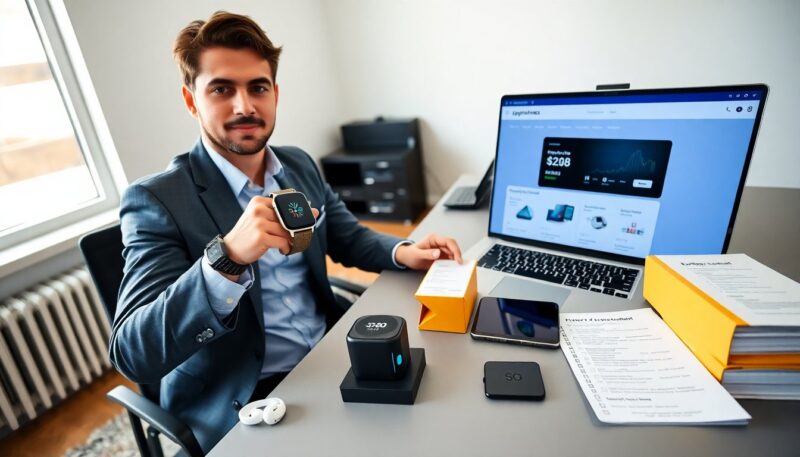
Volcano Order by Zappinternett aims to offer a compact, modular gadget that blends sensor-driven features with everyday portability. The company markets the device for urban commuters, field technicians, and hobbyists. It promises long battery life, accurate environmental sensing, and simple integration with third-party apps. The device matters because it targets gaps in current portable sensors and smart tools. Testers expected reliable readings, clear data export, and a small footprint. The maker positions Volcano Order as an entry point for users who want pro-level sensors without enterprise costs.
Design, Materials, And Build Quality
Zappinternett uses a mix of polycarbonate and anodized aluminum in Volcano Order. The shell resists scratches and feels light in hand. Ports sit tight and buttons avoid wobble. The display uses a matte glass that lowers glare. Fit and finish meet midrange standards. Assembly shows neat seams and consistent paint. The product ships with a fabric strap and a magnet mount. Packaging protects the unit and includes basic guides. Overall, Volcano Order looks modern and avoids cheap plastics, but it lacks premium heft that some users prefer.
Core Features, Hardware, And Real-World Performance
The core hardware packs a quad-core microcontroller, 4GB RAM, and 64GB storage in Volcano Order. The main sensor suite includes temperature, humidity, particulate matter, and an inertial sensor. The screen shows graphs and alerts. The device pairs quickly with phones and logs events to local storage. In real use, readings synced to mobile apps within seconds. The UI stays responsive during sampling. Zappinternett includes export in CSV and JSON. Users can run third-party scripts in a sandboxed environment. The hardware choice balances cost and feature set for targeted users.
Software, Connectivity, And Data/Privacy Considerations
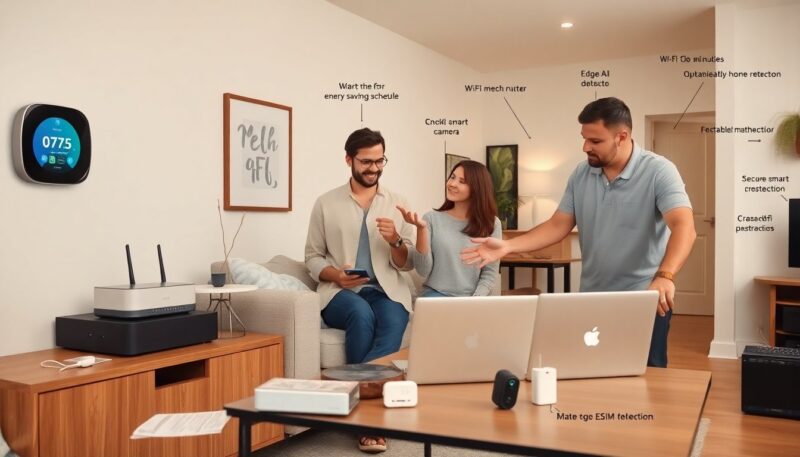
Volcano Order runs a lightweight Linux build and a Zappinternett app for phones. The app links via Bluetooth Low Energy and Wi‑Fi. Firmware updates arrive over the air and require user approval. Data sync uses end-to-end TLS in transit. Zappinternett stores anonymized logs by default and offers opt-out on cloud backups. The device supports local exports and on-device retention for up to six months. Privacy controls appear clear in menus. Still, the cloud defaults may surprise privacy-conscious users. The company publishes a data policy and a security white paper for review.
Usability, Reliability, And Common Problems Observed
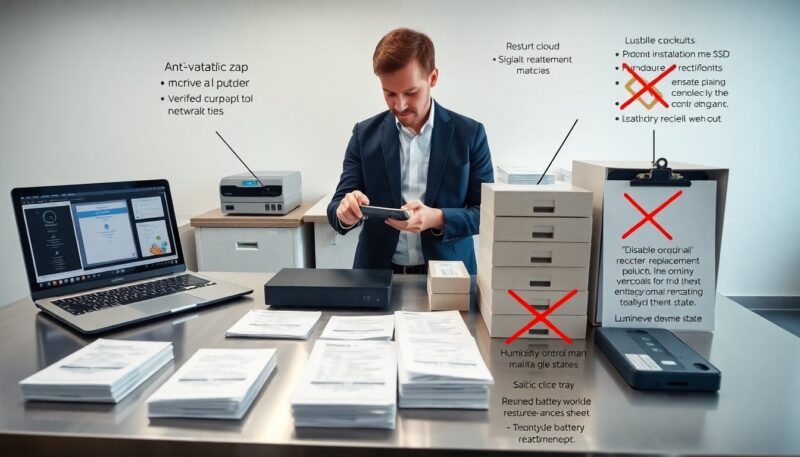
Users find Volcano Order easy to set up and learn. The interface uses plain labels and clear icons. Sync works reliably in typical Wi‑Fi environments but stalls on captive networks. Some users saw occasional Bluetooth reconnection loops that a firmware patch fixed. The companion app crashed on one OS build during tests but recovered after a restart. The particulate sensor needs periodic cleaning to avoid drift. Support responds within two business days on average. Overall, reliability is good but not flawless: users should expect minor software updates and basic maintenance.