Online discussions about casinos often revolve around outcomes, short success stories, or recognizable phrases. These conversations usually focus on expectations about luck rather than on how casinos actually operate.
Inside a real casino, daily life follows a structured and closely monitored routine. Behind the lights and movement, clear rules, technical systems, and trained staff shape every action. One term that sometimes appears in these conversations is Win Zoria casino, often mentioned in connection with perceived luck rather than operational reality.
Casinos function as controlled environments where probability, design, and regulation intersect. Guests see games and results. Employees see procedures, schedules, and compliance requirements. To understand life inside a casino, it is necessary to look beyond surface impressions and examine how these spaces work hour by hour.
The Physical Environment
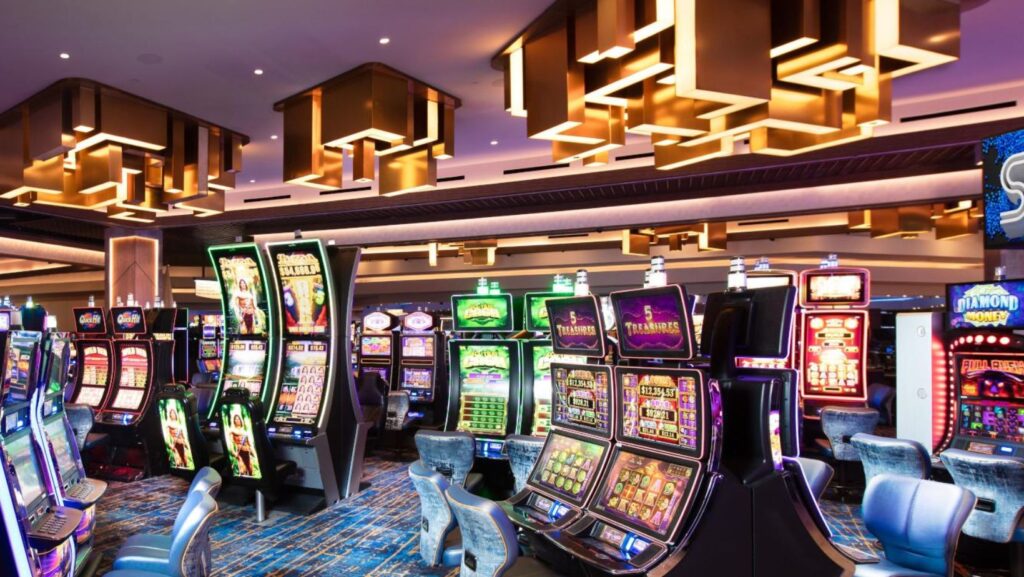
Casino design supports long visits, steady circulation, and continuous activity. Architects plan layouts that guide guests without explicit instructions. Wide walkways allow movement without congestion. Seating stays close to gaming areas to reduce interruptions. Lighting remains consistent throughout the day and night.
Designers avoid windows and clocks. Staff rely on internal schedules rather than daylight. Guests track time through personal devices or breaks instead of visual cues. This approach keeps the environment stable and predictable.
Each area serves a defined role:
- Slot zones use compact layouts with clear sightlines
- Table game sections group similar games for supervision
- Bars and food counters sit near central paths
- Security points remain visible without drawing attention
Material choices matter as well. Carpets reduce noise. Ceilings soften sound. Surface finishes limit glare. These details support comfort and concentration during extended stays.
Games and Probability
Every casino game operates on a fixed mathematical structure. Designers set odds to ensure predictable long-term returns for the house. Short-term outcomes vary, which keeps play uncertain.
Slot machines rely on random number generators that produce independent results. Table games use physical elements such as cards, dice, or wheels. Staff inspect equipment daily. Regulators test systems to confirm accuracy.
The table below shows simplified house edges for common games:
| Game Type | Typical House Edge (%) |
| Slot Machines | 2–10 |
| Roulette (single zero) | ~2.7 |
| Blackjack (basic strategy) | ~1 |
| Baccarat (banker bet) | ~1.1 |
These figures describe averages over time. They do not predict individual sessions. A lower edge only indicates slower expected loss, not guaranteed profit.
The Human Element
People define casino operations as much as machines do. Dealers, technicians, security staff, and supervisors maintain accuracy and order. Each role follows structured training and clear procedures.
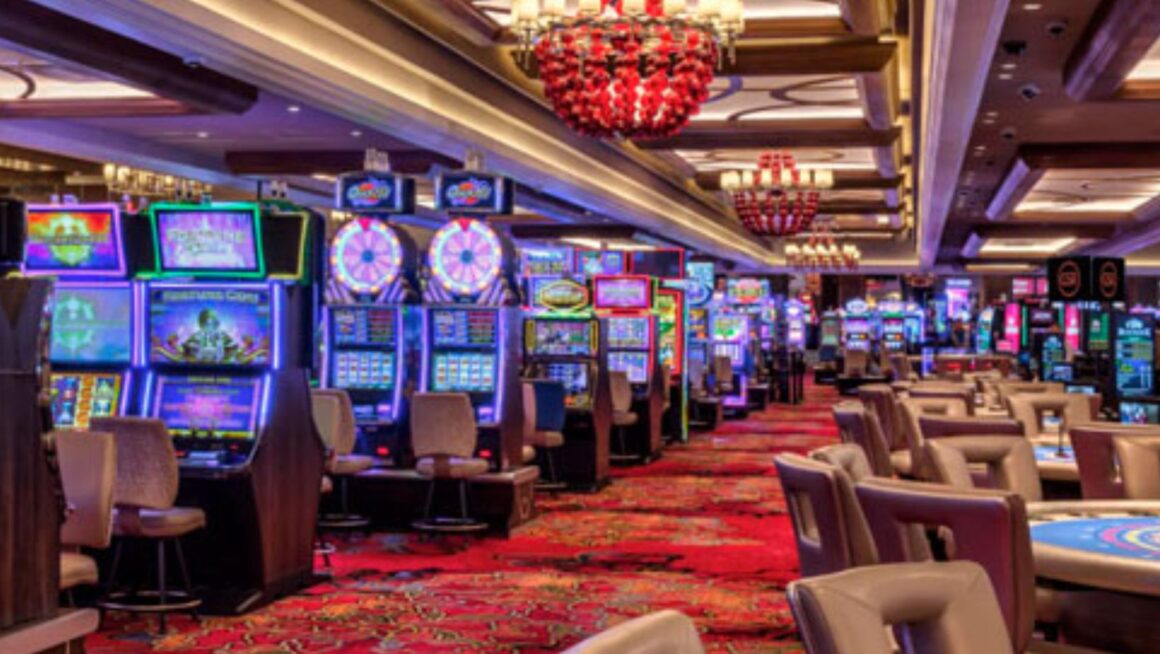
Dealers manage game pace, enforce rules, and handle chips with precision. Supervisors monitor tables and resolve disputes quickly. Floor managers adjust staffing based on activity levels.
Security teams focus on behavior rather than results. They watch for rule violations, safety risks, or technical issues. Surveillance systems support this work, but trained staff make decisions.
Guests arrive with different goals. Some seek entertainment. Others focus on outcomes. Many view the casino as a social space. Staff respond consistently and without judgment.
Money Flow and Control
Casinos process large volumes of cash and electronic transactions every day. Systems track each exchange in real time. Cashiers verify identity for large sums. Software records bets, payouts, and balances across all games.
Regulations require detailed reporting. Authorities audit records and inspect procedures. Errors can lead to penalties, so management prioritizes accuracy and documentation.
Responsible gaming policies also shape operations. Staff learn to recognize risky behavior patterns. Self-exclusion programs allow individuals to restrict access. Clear signage explains limits and support options.
Sound, Light, and Attention
Casinos design sound and light to support focus and continuity. Slot machines emit brief audio cues to signal completed actions. Designers test volume levels to avoid discomfort.
Lighting avoids sharp contrasts. Soft brightness reduces eye strain and supports long sessions. Color schemes remain controlled, with accents marking transitions between areas.
Digital displays present rules, jackpot figures, and announcements. Staff update content frequently to reduce confusion and disputes.
Food, Drink, and Breaks
Food and beverage services support extended stays without excess. Menus emphasize quick preparation. Seating remains casual and accessible.
Alcohol service follows local regulations. Servers monitor consumption carefully. Security staff intervene when behavior creates risk. Casinos balance hospitality with safety.
Employee break areas remain separate from guest spaces. Staff rotate shifts to maintain focus. Managers track hours to reduce fatigue-related mistakes.
Regulation and Oversight
Casinos operate under detailed legal frameworks. Governments issue licenses and set operating conditions. Inspectors review finances, equipment, and staff conduct regularly.
Rules govern payouts, advertising language, data handling, and identity checks. Technology supports compliance through automated alerts and reports. Human auditors review findings and address irregularities.
Failure to meet standards can result in fines or suspension. This pressure influences daily decisions across management levels.
Technology Behind the Scenes
Modern casinos rely on complex digital infrastructure. Servers connect machines, tables, and cashier systems. Software tracks performance, usage, and errors. Technicians respond to alerts quickly.
Data supports planning. Managers review trends to adjust layouts or maintenance schedules. Any change follows approval and testing.
Cybersecurity plays a central role. Casinos protect financial and personal data through encryption, access controls, and continuous monitoring.
Player Behavior and Patterns
Casinos analyze behavior to improve safety and efficiency. Analysts examine session length, bet size, and movement paths. They observe trends rather than forecast outcomes.
Staff intervene when patterns suggest distress. They may suggest a break or share information. Policies guide these actions to avoid pressure.
Many players believe in timing or personal systems. Mathematics does not support these beliefs, but casinos allow personal choice within established rules. Educational materials explain odds clearly.
The End of the Night
Closing hours rarely bring quiet. Cleaning teams work through the night. Technicians service equipment. Managers review reports and schedules.
Cash counts occur under supervision. Teams reconcile records before morning. Any discrepancy triggers review.
When doors open again, the structure remains unchanged. Outcomes differ, but operations continue without interruption.
Conclusion
Life inside a casino depends on structure, oversight, and disciplined routines. Bright lights and constant motion conceal a tightly regulated system. Games follow mathematics. Staff follow procedures. Regulators enforce standards.
Casinos do not promise results. They offer controlled play within defined limits. Understanding this environment helps visitors see beyond surface impressions and recognize how design, probability, and regulation shape every moment on the casino floor.