Zap-internet the unexpected psychology behind slot appears in headlines and chats. The phrase explains why players click again and again. The article shows how design, reward, and habit shape behavior. It gives clear steps players can use to set limits and play with control.
Key Takeaways
- Zap-internet the unexpected psychology behind slot reveals that slot design uses color, motion, and timing to hijack attention and encourage compulsive play.
- Intermittent rewards and sound cues trigger dopamine release, making players chase wins and prolong playtime.
- Near misses and small variable wins create false perceptions of success, increasing bet frequency and engagement.
- User-friendly interfaces like one-button play and autoplay reduce reflection, leading to less controlled gambling behavior.
- Players can regain control by setting strict time and budget limits, removing autoplay, tracking outcomes, and using social accountability.
- Seeking professional help or using self-exclusion tools is essential if play becomes harmful, ensuring safer gaming experiences.
How Slot Design Hijacks Attention And Triggers Compulsive Play
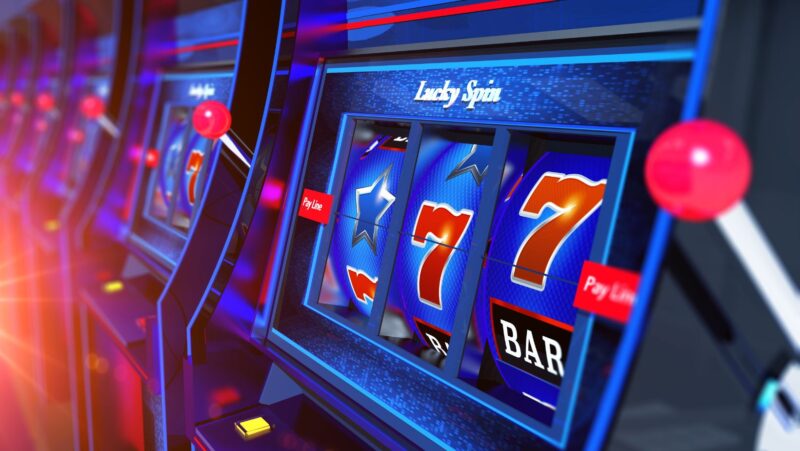
Slot interfaces use color, motion, and timing to guide attention. Zap-internet the unexpected psychology behind slot shows designers place bright symbols and moving elements where eyes land first. The layout places big wins near small wins. The player sees sequence after sequence and the brain links that sequence to reward.
The machines break tasks into tiny steps. Zap-internet the unexpected psychology behind slot explains that each spin acts as a short task. The player presses a button, the reels move, and feedback arrives. The brain prefers short tasks because they give quick closure. The design gives quick closure more often than other games.
Designers use contrast and rhythm to create urgency. Zap-internet the unexpected psychology behind slot notes that changing tempos make the player expect something big. The player stays engaged because the design implies a near miss might become a big win. The near miss effect keeps the player clicking even when losses are more common.
Game rules hide actual odds behind animation. Zap-internet the unexpected psychology behind slot reveals that the screen rewards look larger than they are. The player remembers the big win and forgets the long sequence of small losses. The memory bias pushes the player to try again.
The user interface encourages continued play through easy actions. Zap-internet the unexpected psychology behind slot shows that one-button play and autoplay reduce friction. The player moves from thought to action without pause. The lack of pause weakens chances to reflect and set limits.
Intermittent Rewards, Sound, And Visuals: The Neuroscience Behind The Pull
Intermittent rewards drive learning. Zap-internet the unexpected psychology behind slot explains that unpredictable rewards release dopamine more reliably than predictable rewards. The brain learns to repeat the action that produced the reward. The player repeats spins to chase that dopamine.
Sound cues reinforce meaning. Zap-internet the unexpected psychology behind slot shows that chimes, jingles, and fanfares mark wins. The brain pairs sound with positive feeling. The player reacts faster to a sound than to text.
Visual feedback speeds learning. Zap-internet the unexpected psychology behind slot says flashing lights and expanding symbols mark reward states. The brain finds those states salient. The player allocates attention to those states and repeats actions that led to them.
The near miss reshapes expectations. Zap-internet the unexpected psychology behind slot describes how near misses act like partial rewards. The brain treats near misses as information that a win may be close. The player increases bet frequency.
Small, variable wins keep play steady. Zap-internet the unexpected psychology behind slot points out that small wins create a false rate of return on attention. The brain tallies many small positive hits and overestimates overall success. The player interprets the stream of small wins as skill or luck.
Finally, contextual triggers sustain behavior. Zap-internet the unexpected psychology behind slot notes that time of day, social cues, and device notifications cue play. The brain links these cues to the action. The player arrives at a device and starts clicking almost automatically.
Practical Strategies To Play Smarter, Set Limits, And Regain Control
The player can set rules that reduce impulse. Zap-internet the unexpected psychology behind slot recommends that the player set a strict time limit before opening a game. The player decides the limit, starts a timer, and stops when the timer ends.
The player can set a budget and use it. Zap-internet the unexpected psychology behind slot advises that the player withdraws a fixed amount and uses only that amount for play. The player avoids adding funds when the budget ends. Using a separate account helps enforce the rule.
The player can remove autoplay and slow down play. Zap-internet the unexpected psychology behind slot notes that removing autoplay increases decision points. The player pauses between spins and thinks before acting.
The player can track outcomes and mood. Zap-internet the unexpected psychology behind slot suggests logging wins, losses, and feelings after each session. The player sees patterns and links mood to play. The record makes it easier to change behavior.
Social accountability helps. Zap-internet the unexpected psychology behind slot recommends that the player tell a friend about limits. The friend can check in and help the player stick to rules. External accountability reduces drift.
If play becomes harmful, the player should seek help. Zap-internet the unexpected psychology behind slot urges the player to use professional resources or self-exclusion tools offered by platforms. The player benefits from a plan that blocks access and offers counseling support.
Small changes reduce harm and restore control. Zap-internet the unexpected psychology behind slot emphasizes that clear rules, tracking, and social support change behavior over time. The player regains balance by using simple, repeatable steps.