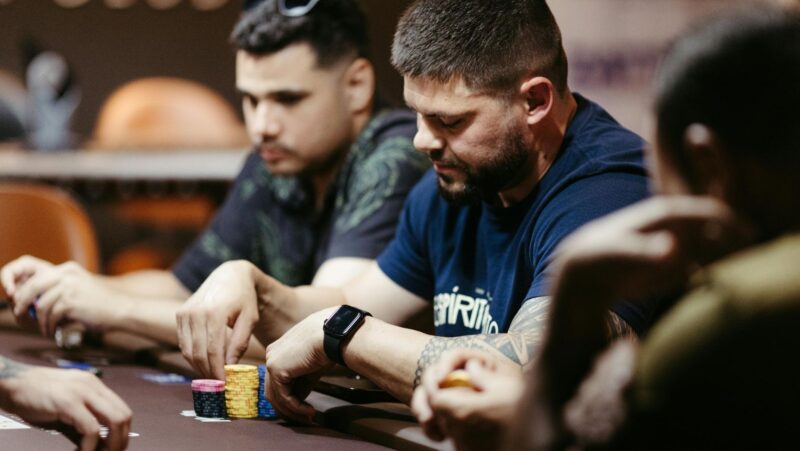
Duel.com, Promo code culture, and social gaming dynamics are reshaping how players connect online. Duel.com is no longer just a platform for wagering or casual matches; it has evolved into a digital meeting point where alliances form, friendships grow, and communities thrive. Through layered reward systems, transparent mechanics, and the strategic use of a Promo code, players find not only entertainment but also belonging.
From the first registration to long-term participation, Duel.com encourages interaction. New users quickly discover that sharing experiences, discussing strategies, and activating rewards together creates deeper engagement. If you want to unlock additional benefits while becoming part of this growing ecosystem, take the step today and activate your account using a duel promo code to start building connections that extend far beyond a single session.
The power of Duel.com lies in its ability to merge incentives with social architecture. Bonuses are not isolated perks; they are conversation starters. Referral tools, reward tracking, and transparent mechanics motivate users to collaborate. Over time, these interactions transform into structured gaming alliances built on trust, shared goals, and mutual rewards.
The Social Infrastructure Behind Duel.com
Duel.com is built on more than gameplay mechanics and promotional incentives. Its real strength lies in the invisible social framework that connects users into active, evolving networks. While many platforms focus primarily on transactions, Duel.com integrates communication, visibility, and shared incentives directly into its architecture. This combination transforms individual activity into collective experience.
At the center of this infrastructure is intentional design. Every leaderboard update, bonus notification, and wagering milestone contributes to social awareness. Players do not operate in isolation; they see others progressing, earning, competing, and optimizing. This visibility creates natural points of interaction and conversation.
Platform Architecture That Encourages Interaction
The technical backbone of Duel.com supports real-time updates, public performance tracking, and transparent statistics. These elements foster accountability and engagement.
Key structural elements include:
- Public leaderboards highlighting top performers.
- Visible wagering volumes and participation stats.
- Real-time game result feeds.
- Event countdown timers and bonus trackers.
These features reduce anonymity. When performance is visible, users become recognizable. Recognition leads to discussion, comparison, and collaboration.
Visibility also lowers barriers for newcomers. Instead of navigating a complex ecosystem alone, new players can observe experienced users. This observational learning builds confidence and encourages interaction from the very beginning.
Incentive Layers as Social Connectors
On Duel.com, a Promo code is rarely a solitary activation. It becomes part of a larger dialogue about strategy, optimization, and value extraction. Reward structures are layered, encouraging shared analysis.
Core incentive mechanisms often include:
- Deposit bonuses with wagering requirements.
- Rakeback systems tied to activity levels.
- Tier-based loyalty programs.
- Time-sensitive promotional multipliers.
Each layer introduces complexity. Complexity invites discussion. Players naturally seek advice on how to maximize returns, reduce risk, and optimize participation. These conversations act as social glue.
When two users compare bonus structures or debate risk allocation strategies, they are not just discussing mechanics. They are building trust. Over time, these strategic exchanges evolve into alliances based on shared goals.
Transparency as a Foundation of Trust
No social system can thrive without trust. Duel.com supports trust through transparent rules, visible metrics, and provably fair mechanics. Clear bonus terms and accessible histories reduce uncertainty.
Transparency contributes to:
- Predictable user experiences.
- Reduced conflict over outcomes.
- Greater willingness to collaborate.
When players understand the rules and believe in system integrity, they feel comfortable sharing insights. Trust accelerates the transition from casual interaction to structured cooperation.
In many digital environments, ambiguity leads to hesitation. On Duel.com, clarity encourages engagement. Players can confidently recommend strategies or explain reward logic without fearing hidden variables.
Communication Channels and Community Extensions
Although the platform centers on gameplay, communication extends beyond basic interactions. Integrated chat features, event discussions, and external community hubs reinforce connectivity.
Effective social infrastructure depends on:
- Fast response communication.
- Accessible help from experienced users.
- Shared event commentary.
- Strategic discussion threads.
These channels amplify emotional engagement. Wins become communal celebrations. Losses become collective learning moments. Emotional synchronization strengthens bonds faster than isolated experiences.
Identity Formation and Reputation Building
Sustainable social ecosystems require identity. Duel.com supports identity formation through consistent participation metrics and visible achievements.
Players develop recognizable profiles based on:
- Activity consistency.
- Strategic success rates.
- Contribution to discussions.
- Referral participation.
Reputation becomes currency. Users who consistently share insights or support newcomers gain influence. Influence reinforces social standing, which in turn deepens alliances.
This reputation-driven structure encourages positive participation. Constructive behavior strengthens community health, while opportunistic conduct quickly becomes visible.
Network Effects and Long-Term Stability
As more players join and engage, network effects amplify the platform’s social strength. Every new connection increases the number of potential interactions.
Network expansion leads to:
- Faster knowledge circulation.
- Greater strategic diversity.
- Increased alliance formation.
- Higher collective resilience.
Resilience is crucial. In volatile gaming environments, uncertainty can destabilize engagement. Strong social infrastructure stabilizes it. When users feel supported by a network, they are more likely to maintain long-term participation.
From Solo Play to Cooperative Alliances
At first glance, Duel.com appears to be built for individual participation. A player registers, activates a Promo code, explores available games, and begins wagering independently. However, beneath this individual starting point lies a progression path that naturally leads toward cooperation. What begins as solo play often evolves into structured alliances driven by shared incentives and strategic collaboration.
The transformation from individual engagement to cooperative participation does not happen randomly. It is shaped by platform mechanics, transparent metrics, and reward systems that encourage knowledge exchange. Over time, players realize that collaboration reduces uncertainty and increases long-term stability.
The Psychological Shift From Competition to Collaboration
In traditional gaming environments, competition dominates the experience. Players focus on outperforming others. On Duel.com, competition still exists, but it operates alongside mutual benefit systems.
Several psychological triggers accelerate the shift toward collaboration:
- Shared bonus optimization discussions.
- Public visibility of performance metrics.
- Mutual participation in time-limited promotions.
- Community-based reward tracking.
When players recognize that others are navigating similar wagering requirements or risk-management challenges, a sense of shared journey develops. Instead of viewing peers solely as competitors, users begin seeing them as strategic partners.
This shift is subtle but powerful. Collaboration emerges not from forced teamwork, but from aligned incentives.
Shared Incentives as the Foundation of Alliances
A Promo code activation on Duel.com often sparks conversations about maximizing value. Players compare deposit strategies, analyze expected value scenarios, and discuss volatility patterns.
Shared incentives create alignment in three core areas:
- Optimizing bonus conditions efficiently.
- Managing bankroll volatility collectively.
- Timing participation during promotional events.
When incentives reward consistent activity or structured wagering, players benefit from exchanging insights. A single piece of shared information can significantly improve another user’s results. That exchange builds trust.
Trust then becomes the basis for more structured cooperation. Small discussions evolve into ongoing strategic communication.
Strategic Knowledge Exchange
Alliances on Duel.com often begin with simple questions. A newcomer may ask about wagering requirements or optimal game selection. An experienced player responds with guidance.
Over time, these exchanges grow more sophisticated. Topics frequently include:
- Risk-adjusted strategy selection.
- High-variance versus low-variance balancing.
- Event timing optimization.
- Loyalty tier progression tactics.
Knowledge exchange reduces learning curves. When players collaborate, mistakes become less costly. Efficiency improves. As collective knowledge deepens, alliances become more intentional and organized.
Informal Role Distribution Within Alliances
As cooperation stabilizes, participants often adopt informal roles. These roles enhance group efficiency without requiring formal structure.
Common informal roles include:
- Data tracker analyzing bonus conditions.
- Risk evaluator monitoring volatility.
- Event monitor tracking limited-time promotions.
- Communicator coordinating discussions.
This organic role distribution increases operational clarity. Instead of each player independently analyzing every detail, responsibilities diversify. Efficiency strengthens bonds because success becomes shared rather than isolated.
Emotional Reinforcement and Mutual Accountability
Beyond strategy, emotional reinforcement plays a crucial role. Gaming environments naturally involve volatility. Wins generate excitement. Losses create frustration.
Alliances provide emotional buffering:
- Celebrating collective milestones.
- Sharing lessons from setbacks.
- Offering reassurance during losing streaks.
- Reinforcing responsible participation habits.
Emotional synchronization strengthens loyalty within the alliance. When players experience highs and lows together, their connection becomes more durable.
Mutual accountability also develops. Members encourage responsible risk management and long-term thinking. This collective discipline contributes to sustainable engagement.
Alliance Stability Through Structured Communication
As cooperative groups mature, communication becomes more structured. Regular discussions, strategic reviews, and performance analysis sessions may emerge.
Stable alliances often:
- Set shared performance goals.
- Compare monthly activity metrics.
- Evaluate bonus optimization efficiency.
- Adjust strategy collectively.
This structured interaction increases predictability. Predictability strengthens trust. Trust stabilizes alliances.
Rather than being temporary collaborations formed around a single promotion, these groups evolve into long-term strategic partnerships.
The Role of Promo Code Culture in Strengthening Bonds
On Duel.com, a Promo code is more than a marketing instrument. It operates as a social trigger that initiates conversations, builds trust, and aligns incentives between players. What may appear to be a simple activation field during registration often becomes the starting point of a long-term interaction cycle.
Promo code culture develops when users begin discussing how to maximize rewards, when to activate specific bonuses, and how to manage wagering requirements effectively. These discussions create shared experiences. Over time, those shared experiences evolve into bonds rooted in collaboration rather than coincidence.
Referral Dynamics as Social Entry Points
A Promo code frequently functions as an invitation. When a user shares access to Duel.com through a code, they introduce a new participant into the ecosystem with built-in trust. This trust reduces entry hesitation and accelerates onboarding.
Referral-based interaction strengthens bonds through:
- Pre-existing familiarity between inviter and invitee.
- Shared understanding of reward structures.
- Mutual benefit from activation and participation.
- Ongoing communication about performance and bonuses.
Unlike anonymous registration, referral-driven entry adds a human layer. The newcomer is not navigating the platform alone. Guidance, encouragement, and shared strategy immediately become available.
This initial support creates emotional comfort. Emotional comfort encourages continued interaction, which deepens connection.
Shared Optimization as a Collaborative Activity
Once a Promo code is activated, the real conversation begins. Bonus conditions often include wagering requirements, tier progression, or time-sensitive conditions. These elements require thoughtful planning.
Players commonly collaborate on:
- Identifying games that align with bonus efficiency.
- Calculating expected value under different volatility scenarios.
- Timing deposits around promotional windows.
- Tracking loyalty milestones collectively.
Optimization becomes a group exercise. Rather than isolating strategy, participants compare notes and refine approaches together.
This collaborative refinement strengthens bonds because success feels shared. When one member improves efficiency based on another’s advice, reciprocity develops. Reciprocity is a cornerstone of lasting alliances.
Emotional Reciprocity and Mutual Motivation
Promo code culture does not operate purely on logic. Emotional elements amplify its social impact. When a player benefits from a shared code, gratitude emerges naturally.
That gratitude often translates into:
- Sharing future promotional insights.
- Offering tactical advice.
- Providing emotional support during volatile periods.
- Encouraging responsible participation habits.
Mutual benefit fosters mutual motivation. Players are more inclined to stay active when their engagement contributes to both personal and collective growth.
Emotional reciprocity transforms transactional incentives into relational value.
Knowledge Sharing as a Trust Multiplier
The structure of bonuses on Duel.com often contains nuanced conditions. Misunderstanding terms can reduce effectiveness. When players help each other interpret rules correctly, trust deepens.
Trust expands through:
- Clear explanation of wagering requirements.
- Transparent discussion of risks.
- Honest reporting of outcomes.
- Open dialogue about mistakes and lessons learned.
Transparency within the group mirrors transparency expected from the platform. When both layers align, confidence strengthens.
As confidence grows, alliances move beyond short-term promotions. Bonds become durable because they are based on reliable communication and shared learning.
Identity Formation Through Promo Participation
Repeated collaboration around Promo code usage contributes to identity building. Players who consistently provide valuable insights or timely information become recognized within their circles.
Identity solidifies through:
- Demonstrated strategic competence.
- Consistent support for newcomers.
- Ethical and transparent communication.
- Reliable tracking of promotional opportunities.
Recognition increases social stability. When individuals feel valued for their contributions, they remain engaged.
Promo code culture thus becomes a vehicle for reputation development. Reputation reinforces bonds because it is built on consistent positive interaction.
Long-Term Bonding Beyond Single Promotions
While a Promo code may initiate the first interaction, sustained participation cements relationships. Over time, players who collaborate on multiple events develop structured routines.
Long-term bonding often includes:
- Monthly performance comparisons.
- Coordinated participation during large events.
- Strategic recalibration based on shared data.
- Continuous learning discussions.
The repetition of cooperative behavior strengthens alliances. What began as a shared incentive evolves into a reliable partnership.
Gaming Alliances as Structured Growth Engines
Alliances on Duel.com often evolve into structured groups focused on long-term growth.
Strategic Role Allocation
Within alliances, players may adopt informal roles:
- Data analyzers.
- Risk managers.
- Bonus trackers.
- Community communicators.
Role allocation enhances efficiency. Structured collaboration produces measurable improvement.
Risk Mitigation Through Collective Knowledge
Gaming involves volatility. Alliances reduce risk by sharing insights.
Risk mitigation strategies include:
- Diversifying participation types.
- Tracking variance trends.
- Avoiding high-risk timing periods.
Collective analysis improves decision-making accuracy.
Long-Term Loyalty and Retention
Alliances increase retention. Social accountability motivates continued engagement.
When users feel connected:
- Activity consistency improves.
- Reward optimization becomes systematic.
- Platform loyalty increases.
Duel.com benefits from these durable relationships, and players benefit from sustained community support.
Digital Trust and Ethical Participation
Friendships require integrity. Duel.com integrates structures that encourage responsible engagement.
Responsible Gaming Frameworks
Transparency in limits and wagering conditions reduces harmful behavior. Ethical participation builds stable communities.
Key principles include:
- Setting personal limits.
- Understanding bonus conditions.
- Monitoring activity frequency.
Responsible engagement protects both individuals and alliances.
Fair Play and Platform Integrity
Fair systems create predictable outcomes. Predictability encourages trust.
Duel.com promotes:
- Clear rule documentation.
- Visible transaction histories.
- Consistent bonus enforcement.
Integrity strengthens the social fabric of the platform.
Educational Collaboration
Communities often create educational threads and tutorials. Knowledge sharing enhances platform literacy.
Educational collaboration:
- Reduces beginner mistakes.
- Improves strategic thinking.
- Strengthens alliance cohesion.
Learning together accelerates collective progress.
The Future of Duel.com Friendships and Expanding Alliances
Duel.com continues evolving. As reward mechanics become more sophisticated, social structures deepen.

Data-Driven Community Growth
Analytics influence social trends. Players analyze patterns collectively.
Data-driven alliances focus on:
- Performance metrics.
- Reward frequency analysis.
- Long-term profitability tracking.
This analytical culture strengthens bonds.
Hybrid Interaction Models
Online friendships increasingly extend beyond the platform. External communities amplify internal connections.
Hybrid interaction:
- Expands communication.
- Enhances emotional support.
- Creates diversified collaboration channels.
Cross-platform engagement stabilizes alliances.
Sustainable Social Ecosystems
The future of Duel.com lies in sustainability. Incentives alone are not enough; community must remain central.
Sustainable ecosystems depend on:
- Transparent mechanics.
- Shared growth opportunities.
- Ethical participation.
- Continuous innovation.
When incentives align with trust and collaboration, friendships endure.
Conclusion: More Than Gaming, A Social Architecture
Duel.com demonstrates how structured incentives and transparent systems can foster meaningful digital relationships. A Promo code is not merely an entry benefit; it is a gateway into a collaborative ecosystem where strategy, trust, and communication converge.
Through shared rewards, collective analysis, and ethical participation, players transform from individuals into alliances. These alliances grow into communities. Communities evolve into long-term networks.
As Duel.com continues to innovate, its greatest achievement may not be bonuses or wagering tools, but the friendships and gaming alliances sparked within its digital walls.