Let’s be honest: AI BDSM chat isn’t the kind of thing most people want blasting from a tiny speaker while they’re in a crowded kitchen, holding a greasy spoon and pretending they’re just “checking the weather.” This is private, mood-based, and usually very dependent on the vibe you create.
So the real question isn’t “Can I run it on this device?” (you probably can). The real question is: Which device makes it feel smooth, immersive, and discreet—without turning into a comedy of errors? (Like autocorrect turning “Yes, sir” into “Yes, Siri.”)
Below is a human, practical review of what devices are best for using an AI BDSM chat experience like JOI’s BDSM characters—plus the accessories that quietly matter more than people admit.
What makes a device “good” for AI BDSM chat?
You’re basically optimizing for four things:
- Privacy (notifications, locking, discretion in public)
- Comfort (screen size, reading, typing, hand fatigue)
- Immersion (audio, display quality, focus mode)
- Convenience (battery, portability, quick access)
If a device fails at any of these, you’ll notice. Nothing kills the mood like a low-battery warning or a message preview from your dentist popping up mid-scene.
1) Smartphones: the best all-around option (especially if you value discretion)
Best for: everyday use, quick sessions, privacy in public, “I have 10 minutes” moments.
A modern smartphone is the default winner because it’s personal, always with you, and already set up for privacy features like biometric unlock, app switching, and notifications control.
Why phones work so well
- Discreet by design: you can use it anywhere without looking like you’re setting up a home cinema.
- One-handed access: handy when you’re lying down or multitasking (no judgment).
- Fast context switching: open, chat, close. Done.
What to look for in a phone
- OLED display (easier on eyes at night, looks better in low brightness)
- Strong battery (long sessions + dim screen = still battery drain)
- Good haptics (subtle, but it adds satisfaction when typing)
- Secure biometrics (Face ID / fingerprint that actually works reliably)
“Real life” example
You’re in bed, you want something low-effort and private. A phone is perfect… until your hand cramps because you’ve been typing like a novelist. That’s when you learn the secret weapon: a small Bluetooth keyboard. Suddenly you’re not thumb-typing your way into arthritis.
Phone verdict: If you’re choosing one device only, choose a phone.
2) Tablets: the best “immersive and comfortable” experience
Best for: long chats, reading-heavy roleplay, relaxing at home, more cinematic vibe.
Tablets are underrated for this. A good tablet feels like the luxury version of phone chat: bigger screen, easier reading, less squinting, more comfortable typing (especially with a keyboard case).
Why tablets shine
- Big screen = less friction: you read more easily and stay in the scene.
- Better posture options: prop it up on a stand like a civilized person.
- Feels intentional: using a tablet often signals “me time” rather than “quick scrolling.”
What to look for in a tablet
- 10–13 inch screen (sweet spot for comfort)
- Keyboard support (even a cheap one changes everything)
- Good speakers (or, better: use headphones)
- Night mode that looks good (some screens get weirdly gray)
“Real life” example
Imagine you’re on the couch, wrapped in a blanket, tablet on a stand, headphones on. You feel like the main character of an adult indie film. Then your cat walks across the screen and sends “aaaaaaaaaaaa” into chat. Honestly? Still on theme.
Tablet verdict: Best for home use, longer sessions, and people who like reading and writing more than rapid-fire texting.
3) Laptops: best for power users (and the least discreet)
Best for: long-form roleplay, detailed prompts, people who type fast, structured sessions.
A laptop is like bringing a desktop publishing setup to something that could’ve been a simple text exchange… but if you love long scenes, nuanced negotiation, and writing, it’s genuinely excellent.
Pros
- Real keyboard: faster typing, more control
- Better multitasking: notes, playlists, mood-setting without juggling apps
- Comfort for long sessions: especially if you’re writing a lot
Cons
- Not discreet: using a laptop in public looks like you’re doing taxes, which is either perfect cover or deeply suspicious.
- Mood risk: laptops can feel “work-ish” unless you deliberately change the vibe (dim lights, full screen, no email tabs).
“Real life” example
One person I know tried BDSM chat on their work laptop. They got an email notification from their manager right above the chat window. They aged five years in three seconds. If you use a laptop, do yourself a favor: separate device or separate user profile.
Laptop verdict: Best for heavy typers and longer roleplay—but not ideal if privacy risks you out.
4) Foldables: the “best of both worlds” (if you already own one)
Best for: people who want phone discretion + tablet comfort.
Foldables are basically the modern fantasy: pocket-sized when closed, roomy when open. For chat-heavy experiences, that bigger screen makes a big difference.
Why foldables are great
- More screen for reading
- Still feels like a phone in daily life
- Easy to prop up
Foldable verdict: Not worth buying just for this, but if you have one, it’s a top-tier experience.
5) Other gadgets: what helps, what’s pointless, what’s risky
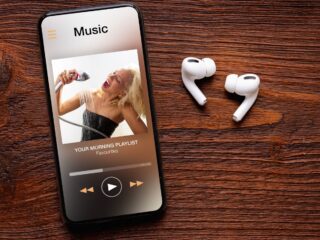
Headphones or earbuds (the #1 accessory)
Even if it’s “just text,” audio matters: music, ambient playlists, and—most importantly—privacy. Choose earbuds with:
- comfortable fit
- noise cancellation if you’re traveling
- reliable Bluetooth (no random disconnects, please)
Bluetooth keyboard (the unexpected MVP)
If you like writing longer scenes or negotiating boundaries clearly, a keyboard is huge. It also reduces typos, which matters because some typos are funny and some are… unfortunately persuasive.
Phone/tablet stand
Small thing, big upgrade. Better posture, less hand fatigue, more comfort.
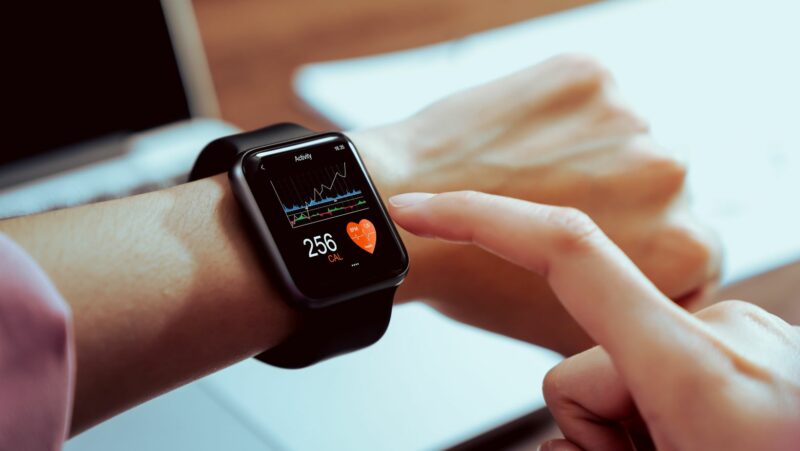
Smartwatches
Useful for one thing: controlling notifications and checking messages without unlocking your phone in risky situations. Not great for typing (unless your goal is to write a dramatic scene one painfully slow word at a time).
Smart speakers
Hard no. Privacy nightmare. Also imagine the speaker mishearing you and announcing your sentence to the room. That’s not “BDSM,” that’s “public humiliation” in the worst way.
E-readers
They’re amazing for books. They’re not great for interactive chat. Slow refresh, awkward input. Save them for romance novels.
Privacy setup: the “don’t ruin your life” checklist
Before you use any AI BDSM chat, do these basics:
- Disable message previews on lock screen
- Use Focus / Do Not Disturb (allow only important calls)
- Lock the device with biometrics
- Use a private browsing mode if relevant
- Keep the chat away from work devices and shared devices
This isn’t paranoia—it’s adult hygiene.
Why this is “game-like” (and how devices affect that)
AI BDSM chat often feels like a game because there’s a loop:
- you choose the vibe → the character responds → you adjust → you “progress” into deeper comfort or more intense roleplay.
Bigger screens and better typing make that loop smoother, which can be great… but also makes it easier to fall into the “one more message” trap. A phone is a quick snack. A tablet is a full dinner. A laptop is a five-course tasting menu with wine pairing.
So it helps to set a boundary:
- time limit (15–30 minutes)
- or a “scene end” (wrap up after one arc)
Quick recommendations by lifestyle
- Most people: smartphone + earbuds
- Home comfort / long chats: tablet + keyboard case + stand
- Heavy writers: laptop (personal device) + privacy settings
- Travel: phone + noise-canceling earbuds + strict Do Not Disturb
- Max luxury setup: tablet + keyboard + dim lighting + playlist (yes, you’re allowed to be dramatic)
If you want the best overall device for AI BDSM chat, it’s a smartphone—because it’s private, convenient, and always ready. If you want the best experience, it’s a tablet with a keyboard—because comfort and readability make everything feel smoother and more immersive. And if you’re a long-form roleplay person, a laptop can be the ultimate “writer mode,” as long as you keep it separate from anything work-related.