Varicose veins can affect our comfort, appearance, and overall leg health. At Metro Vein Centers, we understand that navigating treatment options can feel overwhelming. From conservative lifestyle changes to advanced medical procedures, there’s a range of solutions tailored to different severity levels. In this guide, we’ll explore these options, helping us make informed decisions to protect and improve our vein health.
Understanding Varicose Veins
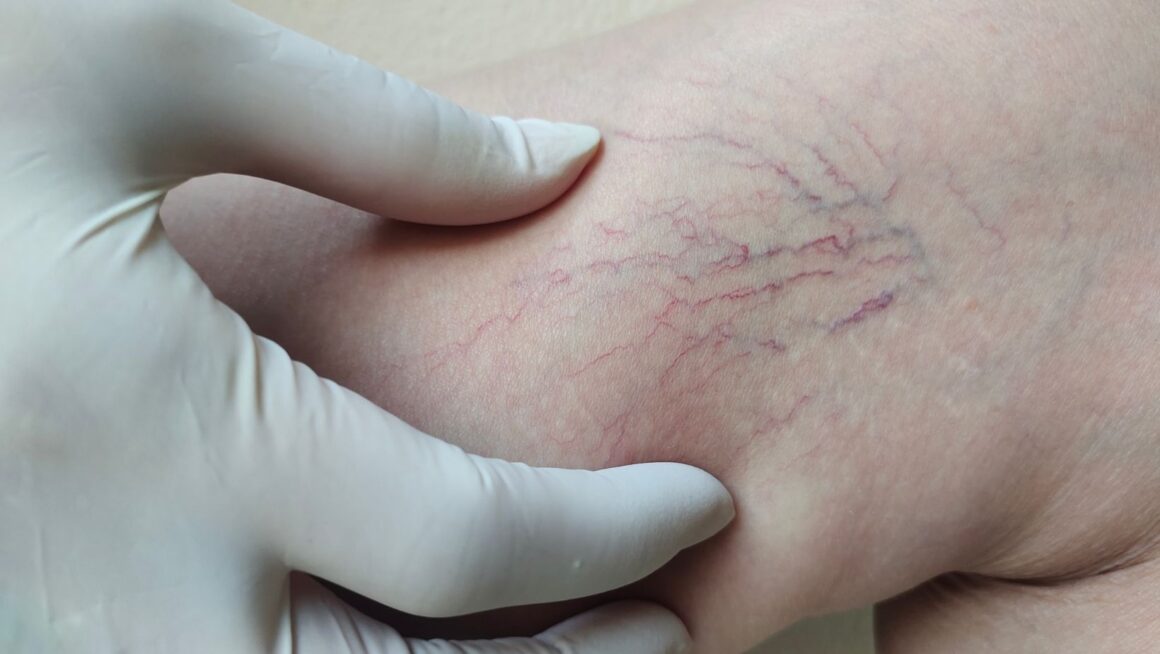
Varicose veins are enlarged, twisted veins that often appear blue or dark purple. They commonly occur in the legs and can lead to discomfort and self-consciousness for many individuals.
Causes and Symptoms
Several factors contribute to the development of varicose veins, including weakened valves and veins, age, genetics, hormone changes, and prolonged periods of standing or sitting. Common symptoms include:
- Swelling in the legs and ankles
- Heaviness or aching in the legs
- Throbbing or cramping
- Skin changes around the affected area
Identifying these symptoms early can lead us to seek treatment sooner, improving our overall health and comfort.
Identifying Severity Levels
Varicose veins can be classified into different severity levels:
- Mild: Visible veins with minimal discomfort.
- Moderate: More noticeable veins accompanied by aching, cramping, and occasional swelling.
- Severe: Chronic pain, swelling, skin changes, or even ulceration.
Understanding our own severity level will help guide us to the most appropriate treatment options.
Conservative Treatment Options
For those of us with mild symptoms, conservative treatments may be effective at managing and alleviating discomfort.
Lifestyle Changes
Making simple lifestyle changes can significantly impact our varicose veins. Consider these strategies:
- Regular exercise: Helps improve circulation and strengthen the muscles in the legs.
- Weight management: Maintaining a healthy weight can reduce pressure on veins.
- Elevating legs: Elevating the legs can assist in reducing swelling and pain.
These changes might include daily walking, stretching, or engaging in low-impact aerobic activities.
Compression Stockings
Wearing compression stockings is another effective conservative treatment. These specially designed garments apply pressure to the legs, which helps improve blood circulation, reduce swelling, and alleviate pain. When choosing compression stockings, we should consult with a healthcare professional to determine the appropriate level of compression that suits our needs.
Medical Treatments for Mild Cases
When conservative methods aren’t enough, we can explore medical treatments for managing mild varicose veins.
Sclerotherapy
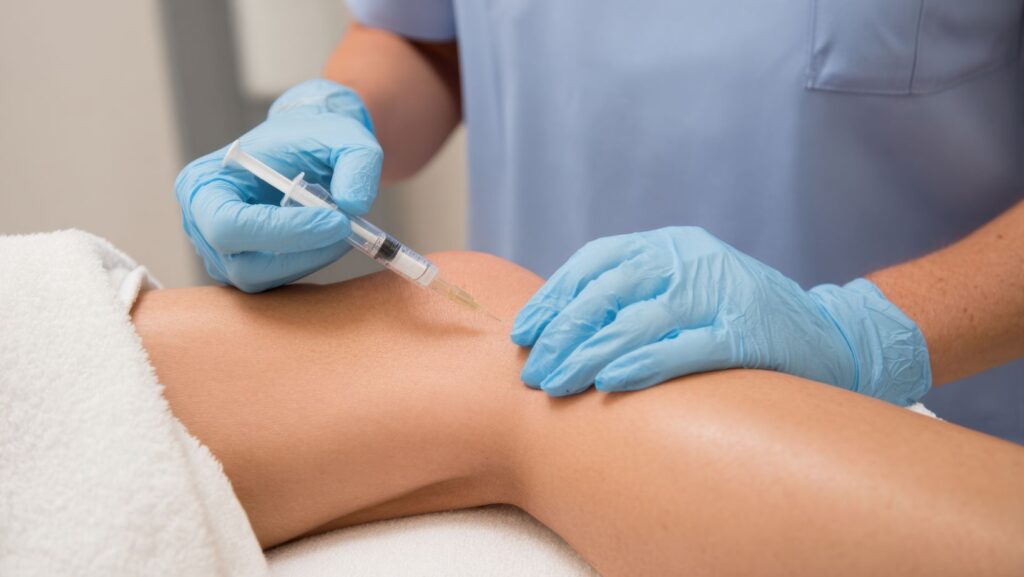
Sclerotherapy is a procedure where a solution is injected into the affected vein, causing it to collapse and fade from view. This treatment is typically performed in our healthcare provider’s office and requires no anesthesia, making it a convenient option. Sclerotherapy can significantly improve the appearance of veins, and we often notice results within a few weeks.
Laser Treatments
Laser treatments use focused light to target and collapse varicose veins. This non-invasive procedure is effective for smaller veins, and the recovery time is minimal. Patients often walk away from the treatment with little to no discomfort.
Interventional Options for Moderate to Severe Cases
When varicose veins progress to moderate or severe stages, more advanced treatment options may be necessary.
Endovenous Laser Treatment (EVLT)
EVLT is a minimally invasive procedure that uses laser energy to close off varicose veins. We often experience improvements in symptoms and appearance within a few days, and the procedure typically involves local anesthesia.
Radiofrequency Ablation (RFA)
Similar to EVLT, RFA uses heat from radiofrequency energy to close off problematic veins. It offers quick recovery times and is effective for treating larger varicose veins.
Surgical Options
In some cases, traditional surgical intervention may be required. This can include ligation and division, where veins are removed or tied off. Though it has become less common due to the availability of non-invasive options, surgical methods can be highly effective for severe cases.
Recovery and Aftercare
After undergoing any treatment for varicose veins, proper recovery and aftercare are essential for achieving the best results.
Managing Pain and Discomfort
It’s common to experience some discomfort after treatment. We can manage this with over-the-counter pain medication, ice packs, and by following our healthcare provider’s instructions. Elevating our legs can also reduce swelling and discomfort.
Preventing Recurrence
To maintain the results of our varicose vein treatment, we should continue with lifestyle changes, like regular exercise and weight management. Wearing compression stockings as recommended, especially during long periods of standing or sitting, can help prevent new veins from forming.
Conclusion
Understanding our options for treating varicose veins is crucial for our vein health and overall well-being. Whether we choose conservative measures or opt for medical treatments, taking action can lead to a significant improvement in our quality of life. If we’re experiencing symptoms, it’s important to consult with a healthcare professional to determine the best course of action tailored to our individual needs. Together, we can find the right solutions to address and manage our varicose veins effectively.