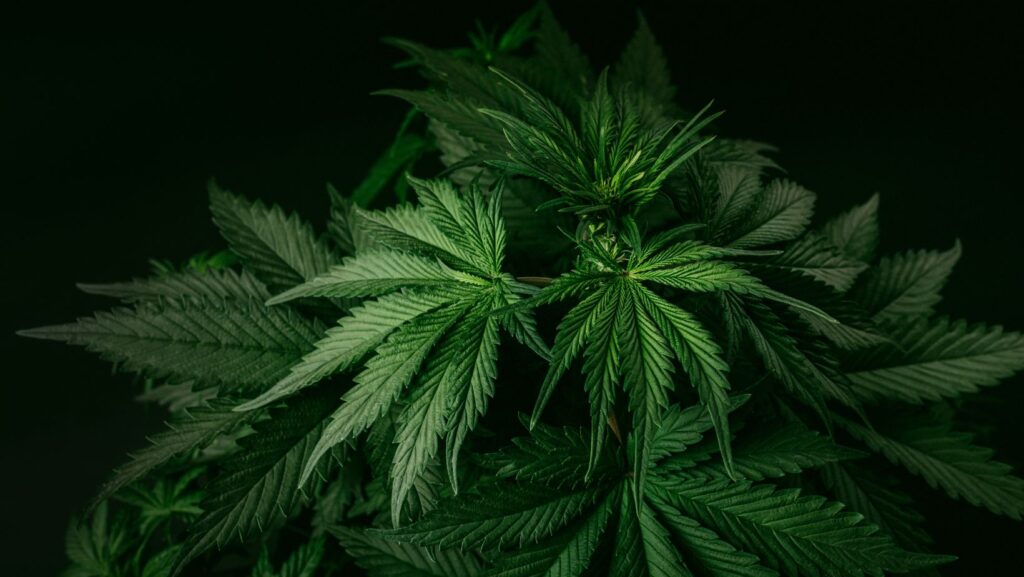
THC-A has become a major topic across the country as more people explore alternatives to traditional cannabis. It looks almost the same as THC, but acts very differently before heat activates it. THC-A is the raw, non-intoxicating form of THC that can become psychoactive once heated, which is why it sits at the center of a fast-growing debate about legality and use.
Many view THC-A as a way to experience the potential benefits of cannabis without the high in its raw form. Others value it for its flexibility since it can convert into THC through smoking, vaping, or cooking. This unique balance between non-psychoactive and intoxicating qualities has sparked both curiosity and controversy.
As states and federal agencies refine hemp and cannabis laws, THC-A products stand in a gray area that blends science, policy, and market trends. Understanding what THC-A is and why it matters helps make sense of how this single compound has reshaped conversations about cannabis nationwide.
Understanding THC-A and Its Effects
THC-A draws attention because it represents cannabis in its raw, natural state before heat changes its structure. Its growing popularity comes from interest in its non-psychoactive properties, wellness potential, and legality under hemp regulations.
What Is THC-A (Tetrahydrocannabinolic Acid)?
THC-A, or tetrahydrocannabinolic acid, is a cannabinoid found in raw cannabis plants. It forms in the plant’s resin glands before exposure to heat. In this natural condition, it does not produce intoxicating effects. THC-A serves as the chemical precursor to THC, the compound responsible for the well-known cannabis “high.”
People can find THCA for sale with fast shipping through online hemp retailers that list products derived from federally compliant cannabis plants. These products often come as flowers, concentrates, or tinctures. Users seeking natural cannabinoids purchase THC-A for its potential benefits without the mental effects caused by heat-activated THC.
Early studies suggest raw THC-A may affect inflammation, nausea, and pain. It is non-intoxicating, which allows consumers to explore its potential in diets, topicals, or unheated formulations.
How THC-A Differs from THC and Delta-9 THC
THC-A, THC, and Delta-9 THC share similar molecular roots but act very differently inside the body. The difference lies mainly in their chemical structures. THC-A holds an extra carboxyl group that prevents it from binding effectively to CB1 receptors in the brain. As a result, it remains non-psychoactive until exposed to heat.
Delta-9 THC is the active compound formed after THC-A loses that carboxyl group through heating. Delta-9 THC interacts strongly with the body’s endocannabinoid system. This connection leads to changes in mood, perception, and appetite. THC-A does not produce such effects until transformed.
This variation also explains why federal law limits Delta-9 THC to less than 0.3% by dry weight in hemp products, yet allows plants rich in THC-A to be sold legally. The plant remains compliant unless heat converts the THC-A into psychoactive THC.
The Science of Decarboxylation
Decarboxylation describes the chemical process that changes THC-A into THC. The process begins once the plant material is exposed to heat through methods such as smoking, baking, or vaporizing. The heat removes the carboxyl group from THC-A molecules, transforming them into Delta-9 THC.
The conversion typically starts at about 220°F (104°C). The exact temperature and time determine how much THC forms from the original material. If temperatures rise too high, some THC breaks down into other compounds like CBN, which can reduce potency.
This reaction is why eating raw cannabis flower has little effect, but heating it activates the compounds. For those preparing homemade edibles, slow heat at moderate temperatures preserves flavor while allowing a full chemical shift to THC.
Psychoactive Versus Non-Psychoactive Properties
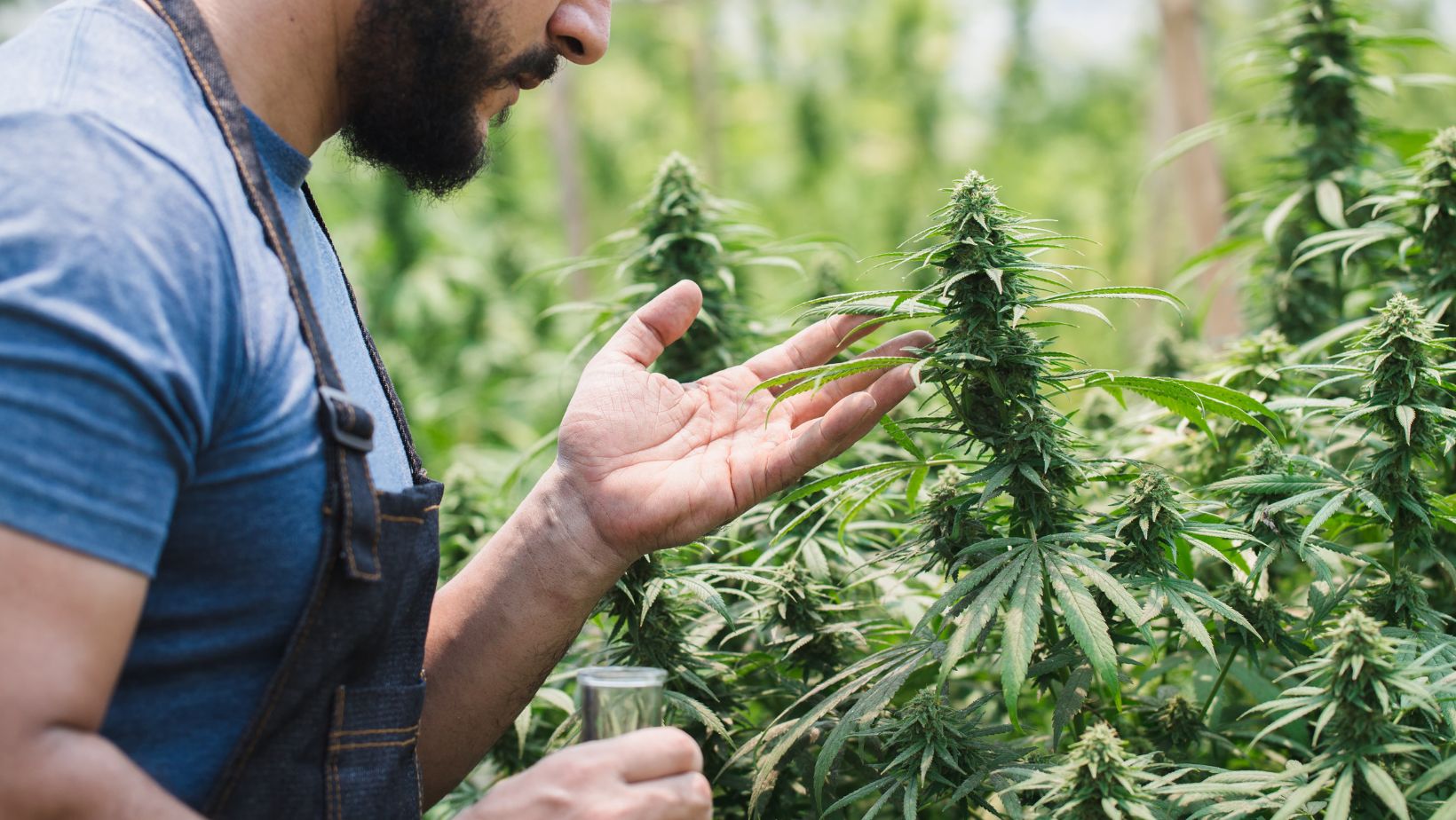
The main difference between THC-A and THC lies in how they interact with the brain. THC-A by itself has almost no ability to trigger a “high.” Its structure prevents it from binding well to CB1 receptors, which control psychoactive responses. THC, once activated through heat, fits these receptors perfectly and produces well-known euphoric and relaxing sensations.
Because THC-A does not cause impairment, it appeals to people who want wellness benefits without mind-altering effects. Common uses include juicing raw cannabis or adding unheated flower into tinctures and capsules. Many consumers prefer this approach for daily use since it offers possible support without disrupting focus or alertness.
In contrast, those seeking classic cannabis effects must heat the product to experience psychoactive results. Understanding this difference helps users choose between THC-A’s natural form and THC’s active state, depending on their intended outcome.
THC-A Products, Legal Status, and Nationwide Trends
THC-A products occupy an unusual space within the hemp and cannabis markets. They attract interest because they resemble marijuana in appearance and effects but remain tied to hemp laws that continue to evolve, creating confusion for buyers, sellers, and regulators alike.
The Emergence of THC-A Flower, Diamonds, and Tinctures
THC-A flower appears identical to marijuana but tests as hemp because it contains low delta-9 THC until heated. Once smoked or vaporized, it converts into delta-9 THC, making it psychoactive. Producers also refine THC-A crystals, known as diamonds, and concentrate tinctures for oral or sublingual use.
THC-A diamonds often appeal to consumers who prefer pure, crystalline forms with minimal plant material. Tinctures draw interest for precise dosing in a non-smokable form. The variety of THC-A options reflects how quickly producers adapt within the hemp industry to meet demand for products that deliver effects close to traditional cannabis without technically breaking federal limits.
These items often appear in stores or online as “hemp-derived,” creating the impression of legality. However, their similarity to regulated marijuana has pushed lawmakers to reconsider how hemp products are defined and tested.
Legal Landscape and the “Hemp Loophole”
The 2018 Farm Bill legalized hemp containing no more than 0.3% delta-9 THC. This opened a loophole because THCA in raw form tested under that limit, but converted into delta-9 once used. Manufacturers relied on that detail to market intoxicating hemp products nationwide even in states that prohibit marijuana.
Federal lawmakers closed this gap through new legislation that redefines hemp based on total THC, which adds both delta-9 THC and THCA levels. The change takes effect in November 2026 and will ban most intoxicating hemp products, including those synthesized outside the plant such as delta-8 and delta-10.
Until enforcement begins, THCA legality varies by state. Some states treat it as hemp, while others classify it as marijuana due to its potential for intoxication. Consumers and retailers therefore face uncertainty about compliance and risk.
Consumer Safety, Testing, and Regulatory Considerations
The rapid growth of THC-A products has raised safety concerns. Some producers skip proper testing, leaving risks of contamination from pesticides, residual solvents, or heavy metals. A verified Certificate of Analysis (COA) helps confirm product safety, potency, and cannabinoid content.
Unregulated THC-A flower or tinctures can differ widely in purity. Without standard lab procedures, users cannot easily confirm if products meet the new total THC rules.
Another concern involves drug tests, which detect THC metabolites regardless of source. Users who believe they consumed legal hemp may still test positive.
As states and federal agencies tighten definitions, stricter labeling and quality control will become necessary to avoid mislabeling and health hazards tied to low-quality production methods.
Potential Benefits and Drawbacks of THC-A Products
THC-A may show potential benefits supported by limited studies. Some early research connects it to anti-inflammatory, neuroprotective, and anti-nausea effects. Advocates also mention cannabis juicing, where raw flower rich in THCA is consumed without heat, offering possible wellness uses without intoxication.
However, scientific support remains preliminary, and effects vary by individual. Once heated, THC-A converts into psychoactive THC, meaning these products may cause impairment similar to marijuana.
Consumers must weigh those possible benefits against uncertain legality and safety. The upcoming federal definition of hemp will likely limit THC-A’s market, but interest in this cannabinoid shows the continuing demand for legal alternatives that closely mirror traditional cannabis.
Conclusion
THC-A draws attention because it offers a unique link between the hemp and cannabis markets. It stays non-intoxicating in its raw form but converts into THC through heat, which makes it both intriguing and controversial. This chemical change shapes how lawmakers, producers, and consumers view its safety and legality.
Lawmakers debate how to classify THC-A products, as federal and state rules differ on whether to measure total THC or just delta-9 content. These decisions affect how products reach the market and who can sell them. Consumers face confusion about labels and potency, which highlights the need for clear testing and accurate information.
Interest in THC-A also reflects a larger shift in how people explore cannabinoids. Some see it as a natural wellness option, while others value it for its potential psychoactive effects once activated. As laws tighten, the future of THC-A depends on consistent standards and responsible retail practices.